Starting a School Garden
Ideas for getting started
-
Build your garden beds: you can find practical ideas here.
-
Composting: enrich the soil (find more information here).
-
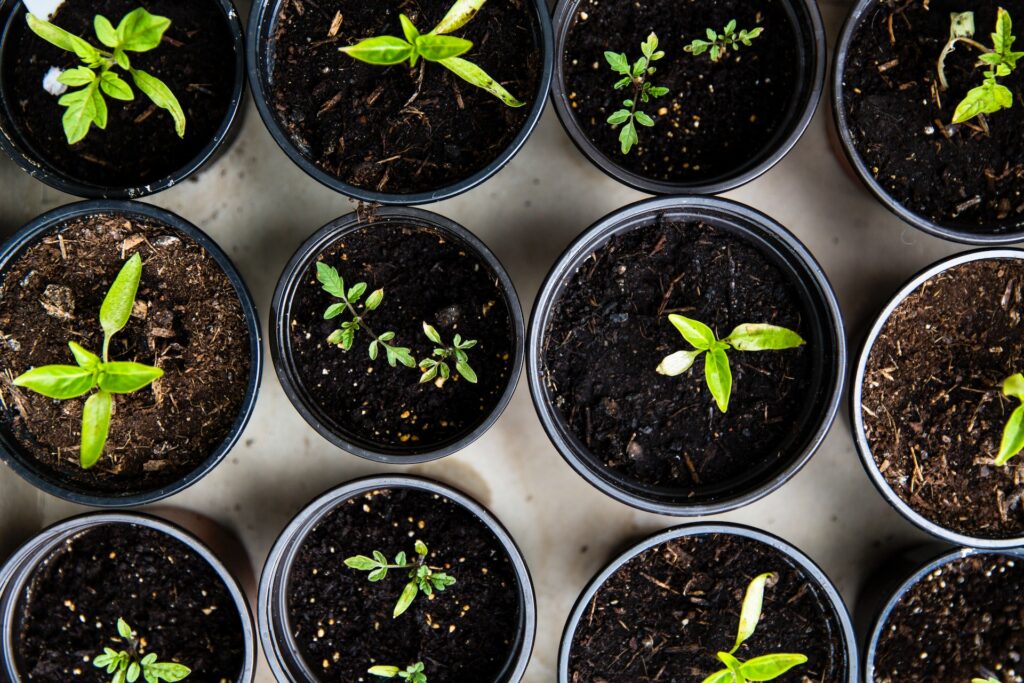
Start growing: you might use seeds, seedlings or propagate from existing plants (see a range of ideas here).
-
Nourish your plants: it is easy to make your own natural fertilizers (see a range of ideas here).
- Harvest, share and enjoy!
More links to help you get started


Link to stories that teach about sustainability:
(Starting a school garden)
School Level: Middle to Upper Primary
Other Ideas: Students can use produce from the school garden to make (and deliver) lunches for disadvantaged people/families in their community.
Green Green
By Baldev Lamba & Marie Lamba
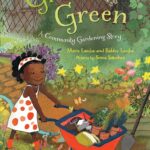
This story can be used to teach about the importance of community, environmental stewardship, and the transformative power of gardening.
Topic: Community & Gardening
The Curious Garden
By Peter Brown
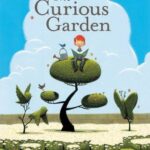
This story can be used to teach changing seasons, which naturally lends itself to discussions about natural sequences and cycles.
Topic: Nature
Examples in schools around the world
The following list of schools features examples of sustainability practices which are part of school programs around the world.
Generally, these schools aim to achieve a Whole School Approach; the school community integrating sustainability into their daily programs and school life.
These examples highlight some of the outstanding but achievable practices. Projects do not have to be on a large scale to be effective.
Samoa: Samoa Primary School
Part of the school’s Eat What You Grow program, students have a garden in which they learn how to vegetables.
India: Government Primary School
This school of about 60 students are learning to cultivate and maintain crops and ornamental plants in their school garden.
Philippines: Victoriano de Castro Elementary School
The students created a platform to spread the sustainability message to other schools
India: Chavara Darsan CMI Public School
The school has a “Nature Club” comprising students who run and manage the gardens under the guidance of teachers.
UK: St Mary’s School
The school runs a competition where each class grows a small edible garden in a recycled container such as an old suitcase.
Malaysia: SJKT Sungai Ara School
One of the school programs is a mini farm where the students grow fruit and vegetables. This program is linked to the science curriculum.
Australia: Auburn South Primary School
Auburn South PS has incorporated sustainability into its school curriculum. Years 3-6 students are involved in the school’s SAKG.
Singapore: Henry Park Primary School
By incorporating environmental education and student eco monitors, this school has a garden that produces vegetables, fruit and non-edible plants.
Philippines: Laguna Schools
A Project titled “A Participatory Action Research on School and Community-based Food and Nutrition Program for Literacy, Poverty Reduction and Sustainable Development”.